
Hotel Management Institute in Delhi: Courses, Career Opportunities, Fees & How to Choose the Right Institute
- Collage
Giuseppe Stover
- 0
- 26 minutes read
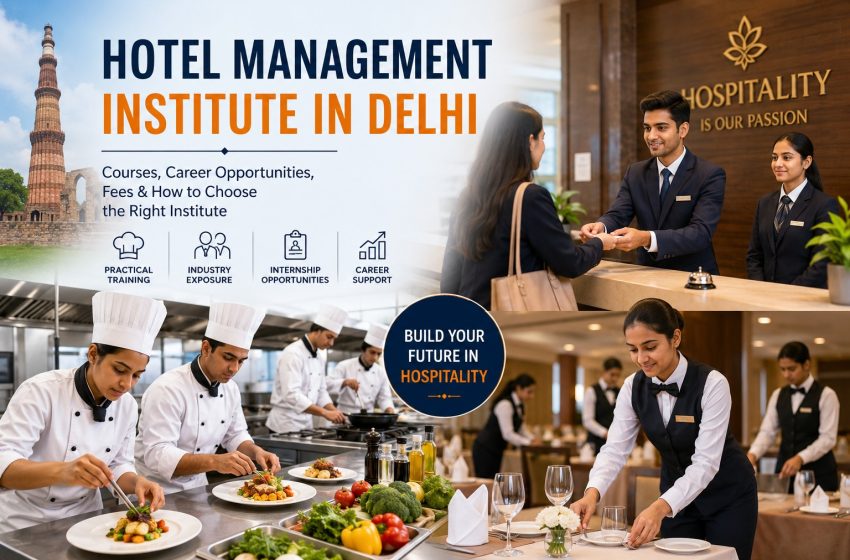
Choosing a career after Class 12 is an important decision, particularly for students who are interested in hotels, food, travel, tourism, customer service and international career opportunities. For such students, hospitality education can provide a practical pathway into one of the world’s most diverse service industries.
Delhi is one of the major education and hospitality hubs in India, which makes it a popular destination for students searching for a hotel management institute in Delhi. Students can find a variety of programs ranging from foundation and diploma courses to degree-level hospitality education and specialized programs in food production and culinary skills.
However, choosing an institute should not be based only on advertisements or course fees. Students should compare practical training, curriculum, industry exposure, internships, faculty, infrastructure, career support and the recognition of the qualification before taking admission.
This guide explains what students should know when selecting a hotel management institute in Delhi and how different hospitality courses can lead to careers in hotels, restaurants, resorts, cruise lines, tourism and other service industries.
Why Choose Hotel Management in Delhi?
Delhi offers a unique environment for students interested in hospitality education.
The city has a large network of hotels, restaurants, resorts, banquet facilities, corporate establishments, travel companies, event businesses and airport-related hospitality operations. The presence of major hotels and international hospitality brands also provides students with opportunities to understand professional hotel operations.
Another advantage is Delhi’s connectivity. The city is connected to major domestic and international destinations, while Indira Gandhi International Airport serves as an important gateway for tourism and business travel.
For students, this creates an environment where classroom education can be complemented by hotel visits, industry interactions, internships, workshops and practical exposure.
A good hotel management institute in Delhi should therefore provide more than theoretical education. Students should look for a learning environment where they can develop practical skills and understand how different hotel departments actually operate.
What Does a Hotel Management Course Teach?
Hotel management is a multidisciplinary field. Students are introduced to several operational areas of the hospitality industry rather than studying only one department.
Depending on the program, students may learn about:
- Food Production
- Food & Beverage Service
- Front Office Operations
- Housekeeping Operations
- Bakery and Confectionery
- Guest Relations
- Hospitality Management
- Communication Skills
- Professional Grooming
- Food Safety and Hygiene
- Hotel Operations
- Restaurant Operations
- Tourism and Travel
- Event and Banquet Operations
The objective is to help students understand how different departments work together to deliver a positive guest experience.
For students who are particularly interested in cooking and kitchen operations, a specialized food production course or culinary-focused program can also be considered.
Types of Hotel Management Courses in Delhi
One of the first things students should understand is that hotel management is not limited to a single type of qualification.
Different institutes offer programs based on academic level, duration, specialization and career objectives.
- Foundation Courses in Hospitality
Foundation programs can be suitable for students who want to understand the basics of hospitality operations before progressing into more advanced studies.
These courses generally introduce students to areas such as hotel operations, food service, communication, grooming and professional behaviour.
- Diploma in Hotel Management
A diploma in hotel management is a popular option for students looking for a practical and career-oriented qualification.
Diploma programs can provide exposure to core hotel departments while allowing students to enter the hospitality industry within a comparatively shorter period than some degree programs.
Students considering a hotel management diploma should check whether the curriculum includes sufficient practical training, internships and industry exposure.
- Advanced Diploma in Hospitality or Hotel Management
Advanced diploma programs can be considered by students who want more extensive training in hotel operations and hospitality management.
These programs may combine classroom education, practical sessions, industrial exposure and internships.
- Degree in Hotel Management or Hospitality
Students who want a graduation-level qualification can explore a degree in hotel management or related hospitality programs.
A degree pathway can be useful for students who want to combine academic progression with professional hospitality training.
Before enrolling, students should carefully check the university, awarding body, eligibility requirements, curriculum and progression structure.
- Food Production and Culinary Programs
Students who want to become chefs or build careers in professional kitchens can explore a food production course in delhi or culinary arts program.
Such programs can introduce students to cooking methods, kitchen operations, food safety, ingredient handling, menu preparation and professional kitchen practices.
How to Choose the Right Hotel Management Institute in Delhi
There are several hotel management institutes in Delhi, but not every institute will offer the same learning experience.
Students and parents should compare institutes using a practical checklist.
- Check the Course Curriculum
The curriculum should reflect the skills required by the hospitality industry.
Look for programs covering both operational knowledge and practical skills.
- Give Importance to Practical Training
Hospitality is a practical profession.
Students should have access to training kitchens, restaurants, front-office simulations, housekeeping facilities and other practical learning environments.
An institute that combines classroom education with practical training can help students become more comfortable with real workplace responsibilities.
- Look for Industry Exposure
Hotel visits, guest lectures, workshops, industry interactions and internships can provide valuable exposure to professional hospitality environments.
Students should ask how frequently such activities are conducted and whether they are integrated into the course.
- Understand the Internship Structure
Internships are particularly important because they allow students to experience workplace expectations before completing their studies.
Students should ask:
- Where do students undertake internships?
- How long is the internship?
- Which departments are covered?
- Does the institute help with internship placement?
- Are students exposed to reputed hotels and hospitality companies?
- Evaluate Faculty and Training Facilities
Experienced faculty members can make a significant difference in practical education.
Students should also visit the campus whenever possible and inspect the training kitchens, classrooms, labs and other facilities.
- Compare Course Fees
Hotel management course fees can vary significantly depending on the qualification, duration, facilities, practical exposure and awarding structure.
Students should not compare fees alone. Instead, they should compare the total value of the program, including practical training, internships, industry exposure, career support and qualification.
- Examine Career and Placement Support
A professional hospitality institute should help students prepare for the transition from education to employment.
Career support may include:
- Resume preparation
- Mock interviews
- Grooming sessions
- Communication training
- Employer interactions
- Campus recruitment
- Internship assistance
- Career counselling
Students should distinguish between placement assistance and guaranteed employment and should always ask the institute for transparent information about its placement process.
The Hotel School, New Delhi: A Career-Focused Hospitality Institute
Among the institutes students may consider while researching a hotel management institute in Delhi is The Hotel School (THS), New Delhi.
The institute focuses on career-oriented hospitality education and offers programs covering different areas of hospitality and hotel operations.
Its course portfolio includes programs related to hotel and hospitality management, foundation-level hospitality education, food production and degree progression.
The Hotel School emphasizes experiential learning through practical sessions, assignments, workshops and industry exposure. Its website also highlights training facilities, industry interactions and opportunities for internships and placements.
The institute is located in New Delhi near the IGI Airport, giving students access to an important hospitality and travel hub.
For students comparing hotel management courses in Delhi, THS can therefore be one of the institutes worth researching alongside other options.
Practical Learning at The Hotel School
Practical exposure is an important part of hospitality education.
Students studying at a professional hospitality institute need to understand not only what a hotel department does but also how its daily operations are performed.
The Hotel School’s learning approach includes practical training, workshops, assignments, industry interactions and experiential learning.
Depending on the course, students can develop skills in areas such as food production, front office, food and beverage service, housekeeping and other hospitality operations.
This type of training can help students develop professional discipline, teamwork, communication and guest-service skills alongside technical knowledge.
Industry Exposure and Career Support
One of the important factors students should evaluate when comparing hotel management colleges in Delhi is their connection with the hospitality industry.
The Hotel School states that it works with industry partners and provides students with opportunities for industrial exposure, internships and recruitment-related support.
Its placement-related activities include interview preparation, communication and grooming support, employer coordination and career guidance.
The institute also highlights opportunities across hotels, resorts, cruise lines, food and beverage businesses and international hospitality markets.
Students interested in international careers should remember that overseas employment depends on factors such as employer requirements, eligibility, work authorization and immigration regulations. However, exposure to professional hospitality standards during training can help students prepare for a wider range of career opportunities.
Career Options After Hotel Management
A hotel management qualification does not restrict graduates to only traditional hotel jobs.
Depending on their specialization, skills and experience, students can explore careers in:
- Hotels and resorts
- Restaurants
- Food and beverage operations
- Front office
- Guest relations
- Housekeeping
- Food production
- Bakery and confectionery
- Catering
- Cruise hospitality
- Airport hospitality
- Tourism
- Event management
- Banquet operations
- Travel-related services
- International hospitality
A student interested in becoming a chef may focus on food production and culinary skills, while another student may prefer front office, guest relations or hotel operations.
This flexibility is one of the reasons hospitality education attracts students with different interests.
Hotel Management After 12th: Is It a Good Career Choice?
For students who enjoy interacting with people, working in teams, travelling, learning about food and service, and working in dynamic environments, hotel management can be an attractive career option after Class 12.
However, students should understand that hospitality is a professional service industry.
Successful hospitality professionals need more than a qualification. They need communication skills, discipline, confidence, patience, teamwork, attention to detail and a willingness to learn.
Students who develop these qualities alongside their technical knowledge can improve their long-term career prospects.
What Should Students Check Before Taking Admission?
Before selecting a hotel management institute in Delhi, students should ask the following questions:
- What courses are available after Class 12?
- What is the duration of each program?
- What is included in the curriculum?
- How much practical training is provided?
- Does the course include an internship?
- Which hotels or companies are associated with the institute?
- What qualification or certification is awarded?
- What are the complete course fees?
- What career support is provided?
- Does the institute offer degree progression?
- Are international career opportunities available?
- Can students visit the campus before admission?
These questions can help students make a more informed decision rather than selecting an institute solely because of an advertisement or low fee.
Frequently Asked Questions About Hotel Management Institutes in Delhi
Which is the best hotel management institute in Delhi?
There is no single institute that is automatically the best choice for every student. The right institute depends on the student’s preferred course, budget, practical training requirements, career goals, qualification structure and location. Students should compare these factors before making a decision.
What are the best hotel management courses in Delhi after 12th?
Students can consider foundation programs, diploma courses, advanced diploma programs, degree-level hospitality programs and specialized courses such as food production and culinary arts. The right choice depends on the student’s career objective and preferred duration of study.
How much are hotel management course fees in Delhi?
Fees vary depending on the institute, course duration, qualification, facilities and curriculum. Students should compare the complete fee structure and understand what is included before taking admission.
Is a diploma in hotel management good after 12th?
A diploma can be a practical option for students who want focused hospitality training and an earlier entry into the industry. Students should evaluate the curriculum, practical exposure, internship opportunities and recognition of the qualification before enrolling.
What is the difference between a diploma and a degree in hotel management?
A diploma generally focuses on professional and practical training over a shorter period, while a degree provides a broader undergraduate-level academic qualification. Students should select based on their career objectives, academic plans and the specific program structure.
Can hotel management students work in international companies?
Yes, hospitality graduates can explore international opportunities in hotels, resorts, cruise lines and other hospitality businesses. International employment depends on individual skills, employer selection, eligibility and applicable work authorization requirements.
Is practical training important in hotel management?
Yes. Hospitality is a hands-on industry, so practical training helps students understand hotel operations and develop workplace skills such as teamwork, guest handling, communication, food production and service.
What career options are available after hotel management?
Career opportunities can include hotel operations, front office, food production, food and beverage service, housekeeping, guest relations, restaurants, resorts, cruise lines, tourism, events and other hospitality-related sectors.
Choosing the right hotel management institute in Delhi is an important step for students planning a career in hospitality.
The most suitable institute is not necessarily the one with the biggest advertisement or the lowest fees. Students should look at the complete learning experience — including curriculum, practical training, infrastructure, industry exposure, internships, faculty, qualification, career support and long-term opportunities.
Institutes such as The Hotel School, New Delhi demonstrate how hospitality education can combine classroom learning with practical training, industry exposure and career preparation.
Ultimately, students should compare multiple options, visit campuses where possible, speak with counsellors, understand the complete fee structure and select a course that matches their career goals.
For students passionate about hotels, food, travel, tourism and guest service, choosing the right hospitality education can be the first step towards building a professional career in India’s growing hospitality sector.
