
7 Music Class Choices for Adults Exploring a New Instrument
- Music
Mark Vargas
- 0
- 6 minutes read
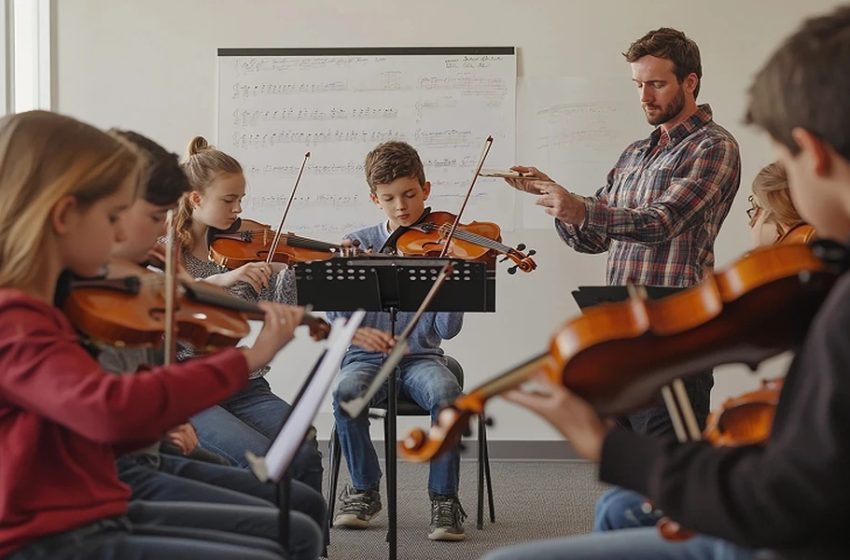
Learning an instrument as an adult does not have to follow the same path as childhood music education. Adults may choose an instrument because they enjoy a particular sound, want a creative hobby or hope to develop a skill they postponed earlier in life. The wide range of music classes in Singapore gives learners plenty of directions to consider.
The more useful question is not simply which instrument looks appealing. It is which combination of instrument, class format and learning commitment can fit comfortably into everyday life.
1. Start With the Sound You Enjoy
An instrument should give you a reason to keep practising. Think about the music you listen to and the sounds you naturally notice.
Someone drawn to melodic pop songs may enjoy piano or guitar. A learner interested in rhythm may prefer drums or percussion. Someone who enjoys bright, portable instruments may consider ukulele.
Listening preferences can provide a useful starting point, although they should not become the only factor.
2. Consider How Much Space You Have
Your home environment can influence the choice. Large instruments require more room, while smaller instruments can be easier to store and transport.
Consider where you will practise and how frequently you expect to move the instrument. Adults living in compact homes may prefer something that can be stored easily.
This practical question is easy to overlook during the excitement of choosing an instrument, yet it can affect how convenient regular practice becomes.
3. Match the Instrument to Your Available Time
Some instruments require more setup or technical adjustment than others. Your available practice time should therefore influence your decision.
An adult with several short periods available throughout the week may benefit from an instrument that can be picked up quickly. Someone with longer practice sessions may be comfortable with a more involved setup.
The important point is consistency. A realistic practice routine is more useful than an ambitious schedule that quickly becomes difficult to maintain.
4. Decide How Much Teacher Guidance You Want
Some adults enjoy independent learning through videos and online resources. Others prefer regular feedback from a teacher.
A structured class can help learners correct technique, understand musical concepts and maintain momentum. It can also create accountability, which some adults find useful when learning alongside work and family commitments.
If you are new to music, consider how much guidance you are likely to need during the first few months.
5. Think About Group Versus Individual Learning
Group classes can provide a social setting and opportunities to learn alongside people at a similar level. Individual lessons offer more direct teacher attention.
Neither format suits every learner. Adults who enjoy interaction may find group sessions motivating, while learners with specific technical goals may prefer individual tuition.
Suitability Snapshot
| Learner priority | Potentially suitable direction | What to consider |
| Compact home setup | Ukulele | Easy storage and transport |
| Melodic playing | Piano | Space and practice access |
| Social learning | Group classes | Shared lesson pace |
| Specific technical goals | Individual tuition | More direct feedback |
| Flexible practice | Portable instrument | Convenience between sessions |
The table is a starting point rather than a rule. Personal preference and available teaching options still matter.
6. Could a Ukulele Be a Practical Starting Point?
A ukulele class in Singapore may appeal to adults seeking a compact instrument with a relatively straightforward physical setup. Its size can make storage and transport simple, while its sound suits many popular and contemporary musical styles.
Adults should still consider the fundamentals. Chord changes, rhythm, strumming patterns and consistent practice require attention. The instrument may be approachable, but progress still depends on regular learning.
A class can help beginners establish proper technique instead of developing habits that later become difficult to correct.
7. Define What Success Means to You
Success can mean different things. One adult may want to play a few favourite songs. Another may want to perform, understand music theory or eventually learn several instruments.
Defining the goal can make class selection easier. It gives the teacher useful information and helps determine how much practice and progression may be appropriate.
Avoid setting a target simply because someone else considers it impressive. An enjoyable and sustainable learning goal can be perfectly worthwhile.
Give the First Choice Room to Evolve
Adults do not need to identify their lifelong instrument before starting. Initial lessons can reveal whether the sound, physical technique and learning process feel right.
When comparing music classes in Singapore, look at the instrument, teacher guidance, lesson format, practice requirements and personal goals together. A sensible choice should fit your actual routine rather than an imagined version of it.
Contact Sonare Music School to discuss available classes and identify an instrument and lesson format suited to your learning plans.
