
6 Preschool Syllabus Questions Parents Should Ask
- Education
Rhoda Howton
- 0
- 6 minutes read
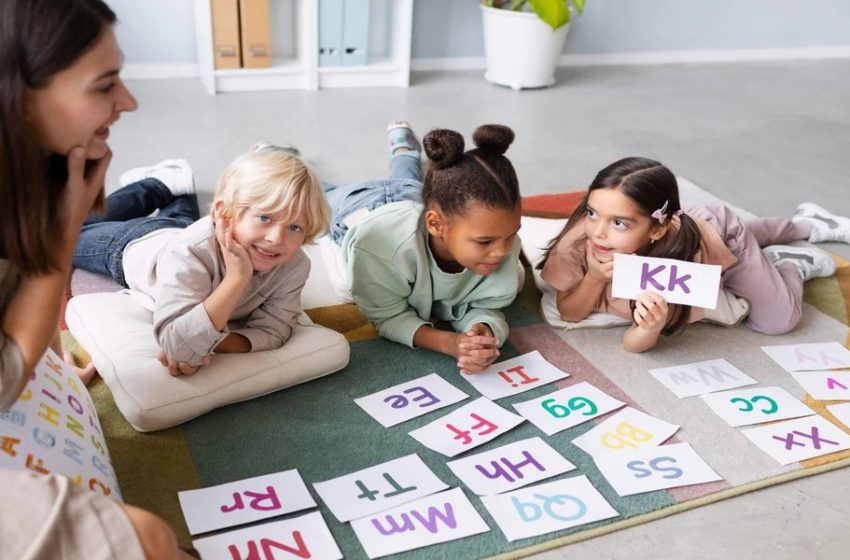
Selecting the right early childhood learning environment is one of the most critical decisions parents make during their child’s formative years. The experiences, social interactions, and foundational skills acquired during early education shape a child’s cognitive development and lifelong attitude toward learning. Parents play a pivotal and active role in this process, serving as the primary advocates for their child’s educational needs. While a formal curriculum outlines key academic goals, evaluating a preschool requires looking beyond high-level titles and subject summaries.
Understanding how educational principles translate into daily classroom practices is essential. When reviewing a preschool syllabus in Singapore, parents should ask detailed, practical questions about learning content, instructional strategies, daily routines, and individual progress to ensure the environment aligns with their child’s unique developmental requirements.
1. What Learning Areas Are Included?
Start by asking what core skills, concepts, and developmental milestones children are expected to explore throughout their preschool years. Early childhood education spans essential domains, including language acquisition, early numeracy, creative arts, motor skill development, social-emotional growth, and inquiry-based exploration of the natural world. Inquiring about these learning domains helps parents confirm that the school offers a well-rounded foundation rather than focusing narrowly on academic drills or unstructured play.
The key consideration is how these distinct learning areas are integrated into the daily schedule. Parents should ask for specific examples of classroom projects and cross-disciplinary activities rather than relying solely on abstract subject labels. Understanding this integration helps parents determine whether the curriculum encourages critical thinking, curiosity, and practical application.
A comprehensive preschool syllabus in Singapore should provide parents with a transparent view of learning expectations, showing how knowledge and independence build progressively from one age group to the next.
2. How Is Learning Delivered?
Young children thrive through interactive learning modes, including guided conversations, storytelling, movement, purposeful play, structured tasks, and multi-sensory materials. Asking how teachers deliver instructions allows parents to assess the pedagogical philosophy in practice. This question is crucial because the teaching methodology directly impacts how engaged, confident, and motivated a child will feel in the classroom.
Parents should also inquire how lessons are tailored to accommodate varying learning paces and developmental readiness. Understanding how educators differentiate instruction helps ensure that advanced learners remain challenged while children requiring extra guidance receive appropriate scaffolding.
Gaining clarity on pedagogical strategies offers far greater insights into the daily student experience than simply reading through a course outline.
3. How Much Time Is Structured?
A well-balanced preschool day requires a thoughtful structure, but young children also need ample time for open-ended play, peer interaction, outdoor recreation, and quiet relaxation. Parents should ask how daily timetables balance structured, teacher-directed lessons with child-initiated exploration and physical movement. Asking about schedule structure is essential for evaluating whether the routine prevents fatigue, reduces stress, and fosters healthy physical and emotional development.
This clarity allows parents to evaluate whether the environment provides a safe, nurturing, and predictable pace suitable for their child’s energy levels.
4. How Is Progress Observed?
Understanding assessment methods is vital for tracking growth without placing unnecessary academic pressure on young learners. Ask how educators evaluate cognitive, physical, and social development. High-quality preschools typically avoid formal testing, relying instead on ongoing observational assessments, portfolio documentation, work samples, and regular behavioral tracking.
Inquiring about progress tracking reveals how transparently educators communicate with families and how quickly teachers adjust strategies when a child requires additional support or extension activities.
Questions to Ask
- What does a typical learning week look like?
- How are activities adjusted for different age groups?
- How much time is allocated to play and outdoor activity?
- How do teachers monitor developmental progress?
- How are parents updated about their child’s learning?
- How does the school support a child who needs more time with a skill?
These targeted inquiries allow parents to move beyond surface-level documents, offering deeper insight into how values and learning philosophies operate dynamically in the classroom.
5. How Are Languages Used?
For families where bilingualism or early language acquisition is a priority, understanding the language framework is essential. Ask how target languages are integrated into daily routines, storytelling, music, and social play. Inquiring about language usage ensures that immersion models align with your home language goals and cultural expectations.
Understanding whether language exposure increases progressively across different age levels helps parents gauge how effectively the school prepares children for primary education environments.
6. Does the Approach Suit Your Child?
Every child possesses a distinct personality, learning style, and emotional baseline. Some children thrive in dynamic, group-oriented settings, whereas others excel in quieter, independent environments. Asking how the school caters to individual dispositions helps parents determine if the setting will support their child’s confidence and emotional well-being.
A syllabus should always be considered alongside a child’s temperament and emotional needs. Asking specific questions about how teachers facilitate transition periods helps ensure a smooth, positive adjustment to school life.
While a preschool syllabus in Singapore offers a valuable blueprint, the overall classroom environment, educator quality, and daily interactions are what truly shape early learning. Engaging in thorough conversations with educators helps parents make an informed, confident selection.
Contact Raffles Kidz International to discuss its preschool programmes and learning approach.
