
6 Vinyasa Yoga Questions to Ask Before Joining a Class
- Education
James Kerr
- 0
- 6 minutes read
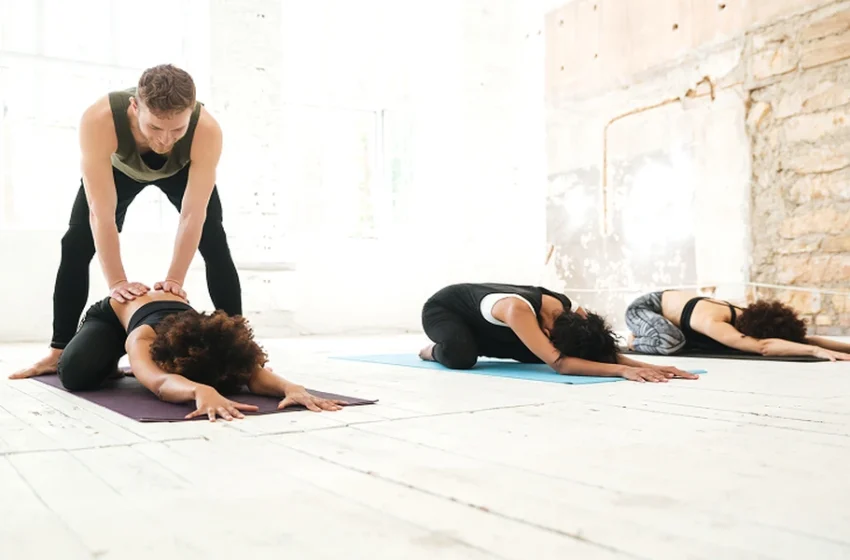
Adults approaching Vinyasa yoga for the first time may have questions about pace, physical demands and what happens during a typical session. A class can feel very different depending on how the instructor structures sequences, explains movements and adapts exercises for different experience levels. Taking time to understand these details can make it easier to choose a suitable session. When comparing Vinyasa yoga in Singapore, asking the right questions before booking can also help set realistic expectations.
1. How Fast Does the Class Move?
Vinyasa classes connect movement with breathing, but the pace can vary significantly between instructors and sessions. Some classes move through poses at a measured rhythm, while others use faster transitions that require greater familiarity with common movements.
Ask how quickly participants usually move from one pose to another and how much time the instructor gives for demonstrations or corrections. A faster class may suit someone with previous yoga experience, while a slower pace can provide more time to understand alignment and movement patterns.
The pace also matters if you have limited experience with transitions such as stepping between standing and floor-based positions. Knowing what to expect can help you select a session where you can focus on your practice rather than trying to keep up.
2. What Experience Level Is Expected?
Yoga classes in Singapore can cater to different levels, so check whether a particular Vinyasa session is suitable for beginners, intermediate practitioners or mixed groups. The class description may provide some guidance, but asking the instructor or studio directly can give you more useful context.
A beginner-friendly session may spend more time introducing foundational poses and explaining basic terminology. A mixed-level class may offer variations so participants can work at different levels of difficulty.
Consider your previous experience honestly. Someone familiar with other yoga styles may understand basic poses but still need time to adjust to the continuous movement of Vinyasa. Choosing a class that matches your current experience can make the session more manageable.
3. How Does the Instructor Teach?
Teaching style can influence your experience as much as the physical sequence. Some instructors provide detailed verbal explanations, while others rely more heavily on demonstrations and visual cues.
Ask how instructors normally guide participants through unfamiliar poses and transitions. You may also want to know how they provide corrections and whether modifications are suggested when a movement feels unsuitable.
An instructor who gives clear cues can make it easier to follow the sequence without constantly looking around the room. This becomes particularly useful during transitions, when attention needs to remain on breathing, balance and movement.
4. Are Modifications Available?
Physical ability can vary from person to person, so ask how the class accommodates different needs. Modifications may involve changing the depth of a pose, using props or choosing a less demanding variation of a movement.
This question is useful even for experienced practitioners. A particular movement may feel comfortable one day and more challenging on another, especially after strenuous activity or when flexibility and energy levels differ.
A class that allows sensible modifications gives participants more control over how they approach each sequence. You should still communicate relevant physical concerns to the instructor and follow professional medical advice where appropriate.
5. What Does a Typical Session Include?
Ask how the class is structured from beginning to end. A Vinyasa session may include a warm-up, breathing work, flowing sequences, standing poses, floor-based movements and a final relaxation period.
Knowing the general structure helps you prepare mentally and physically. It can also help you decide if the session matches what you want from your practice.
If you prefer a stronger physical workout, you may want to ask how much of the session involves continuous movement. If relaxation and mindful practice matter more to you, ask how much time is usually dedicated to slower work or relaxation.
6. What Should I Bring and Prepare?
Before attending, check practical requirements such as clothing, mats, water and arrival time. Some studios provide equipment, while others expect participants to bring their own.
Also ask if there are any instructions about eating before class, arriving early or notifying the instructor about specific concerns. Arriving prepared removes unnecessary distractions and gives you more time to settle into the session.
Questions to Ask Before Booking
- What experience level is the class designed for?
- How fast do the sequences normally move?
- How does the instructor explain and demonstrate poses?
- Are modifications or props available?
- What does a typical session include?
- What equipment should participants bring?
Choosing a class becomes easier when you understand how the session fits your experience, preferences and practical needs. Asking these questions before joining Vinyasa yoga in Singapore can help you approach the first session with clearer expectations.
Contact The Yoga Mandala to discuss class options and find a session that matches your experience level and practice goals.
