
Is My Child Ready for Primary School? How the Early Years Prepare Children for the Big Move
- Education
Clare Louise
- 0
- 7 minutes read
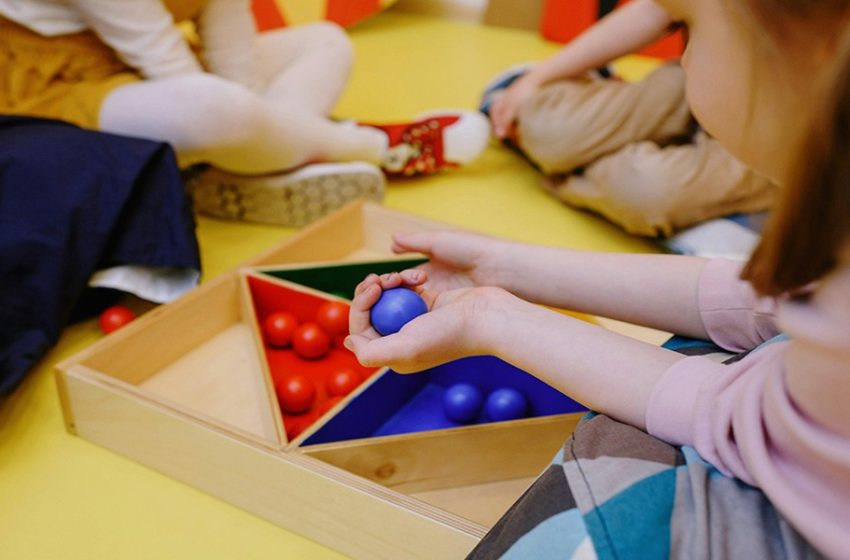
The transition from early years into primary school is one of the most talked-about milestones in a child’s life – and one of the most anxiously anticipated by parents. Will they be okay? Will they make friends? Will they be able to sit still, listen to a teacher, manage their own belongings, cope without me?
These are completely natural concerns. Starting school is a big deal – for children and for the families who love them. But here is something worth holding onto: children who have had a rich, nurturing early years experience are almost always better prepared for this transition than their parents fear. The best kindergartens and pre-schools are, in many ways, designed precisely to ready children for exactly this moment.
So what does school readiness actually mean? And how does a high-quality early years setting help your child get there?
What School Readiness Really Means
School readiness is one of those phrases that sounds straightforward but is actually quite nuanced. Many parents assume it primarily means academic readiness – can my child recognise letters? Can they count to ten? Can they hold a pencil? These things matter, of course, but they are only a small part of the picture.
Teachers and early years experts consistently point out that the children who make the smoothest transition into primary school are not necessarily those with the most academic knowledge. They are the children who can manage their emotions, communicate their needs, listen to and follow instructions, separate from their parents without significant distress, take turns, and get on with other children.
In short, school readiness is as much about emotional and social development as it is about early literacy and numeracy. And that is very good news, because a warm, play-based early years setting is extraordinarily well placed to develop all of these qualities.
Communication and Language: The Foundation of Everything
Of all the skills that support school readiness, communication and language are arguably the most important. A child who can express themselves clearly, listen attentively, follow multi-step instructions, and engage in back-and-forth conversation is well equipped to thrive in a primary school environment.
Language development happens naturally in rich, talk-filled environments – through stories, songs, conversations, role play, and the hundreds of small interactions children have with adults and peers every day. High-quality early years settings prioritise this above almost everything else. Practitioners talk with children constantly, ask open questions, extend vocabulary, and create opportunities for children to communicate in a wide variety of ways.
If you want to support your child’s language development at home as well, the single most effective thing you can do is talk with them. Not at them – with them. Ask about their day, their opinions, their ideas. Read together every night. Make up stories. Sing songs. The more language a child is immersed in, the stronger their foundations will be.
Self-Care and Independence
Primary school teachers will often tell you that one of the biggest practical challenges in Reception is self-care. Can children put their own coat on and off? Can they manage the toilet independently? Can they open their own lunchbox and pour their own drink? Can they pack their own bag?
These might seem like small things, but they matter enormously in a busy classroom environment where a teacher cannot assist every child with every task. Children who arrive at school able to manage these basics feel more capable and confident – and their teachers can spend more time teaching.
Good early years settings build independence into everything they do. They encourage children to dress themselves, tidy up after activities, serve their own snacks, and manage their own belongings. It can feel slower and messier than doing it for them. The payoff, for children’s confidence and capability, is significant.
Emotional Regulation: Learning to Manage Big Feelings
One of the greatest gifts you can give a child before they start school is a growing ability to manage their emotions. Not to suppress them – children should absolutely be allowed to feel their feelings – but to begin to understand them, express them appropriately, and recover from them without being completely overwhelmed.
This is a skill that develops gradually across the early years, with a great deal of support from the adults around a child. In a high-quality early years setting, practitioners help children name their emotions, validate their feelings, and develop simple strategies for calming down when things feel too big. Over time, children build the emotional vocabulary and self-regulation skills that will serve them throughout their school career.
Children who struggle significantly with emotional regulation on starting school often find the environment very challenging – not because they are not clever, but because the emotional demands of a busy classroom are simply hard to manage without some tools in place. This is an area where the early years can make a real difference.
Making Friends and Working in Groups
Primary school is, among other things, a highly social environment. Children are expected to work in groups, cooperate with classmates, share resources, and navigate the complex social dynamics of a playground full of people. For children who have spent their early years in a setting with other children, this is familiar territory. For those who have had limited social experience, it can be genuinely overwhelming.
The friendships and social experiences children have in their early years settings are not just lovely – they are preparing children for one of the most important aspects of school life. Even the tricky moments – the fallouts, the disagreements, the times when nobody wants to play the game you want to play – are valuable. They are where children learn to negotiate, compromise, and persevere.
A Note on Starting School Anxiety
Despite all of this preparation, some children do find the transition to primary school hard. They might have separation anxiety, struggle to settle into the new routine, or find the busy, noisy environment challenging. This is normal, and it does not mean anything has gone wrong.
If your child finds the start of school difficult, the most helpful things you can do are to stay calm and positive, maintain consistent routines, communicate openly with the school, and trust that most children settle much more quickly than parents fear. The foundations laid in the early years do not disappear – they are there, ready to support your child when they need them.
Finding the Right Early Years Foundation
If you are looking for an early years setting in London that genuinely prepares children for everything that comes next, Kensington Kindergarten offers the kind of warm, expert provision that builds the skills, confidence, and resilience children need to make a brilliant start to school life.
The transition to primary school will come around sooner than you think. The best thing you can do is make sure the years leading up to it are as rich, nurturing, and stimulating as possible. The rest will follow.
